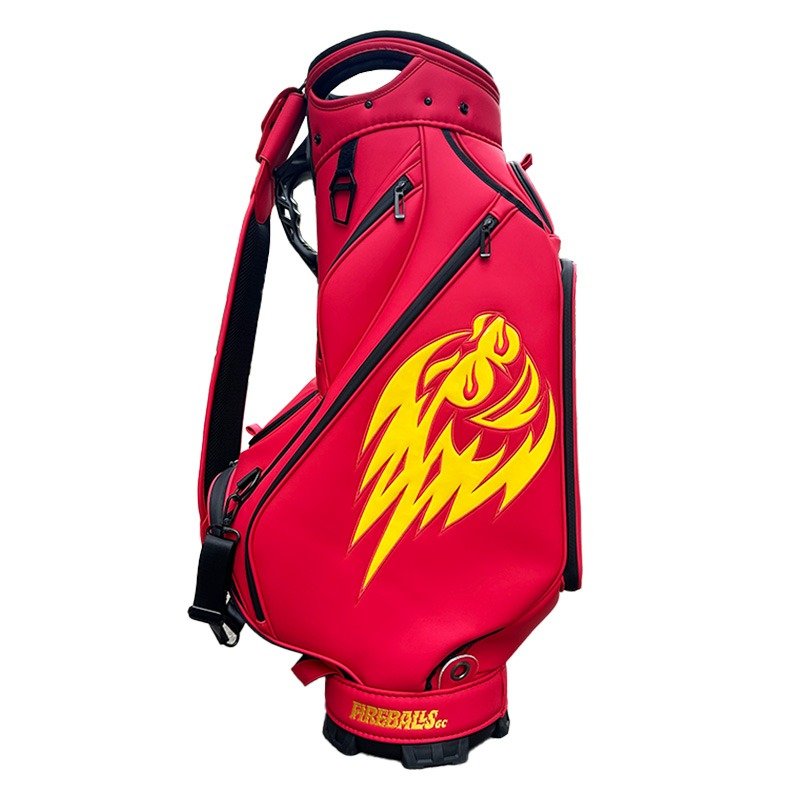
You rely on your golf bag every time you step onto the course. It carries your clubs, balls, tees, and gear, and it keeps everything organized so you can focus on your swing. The right choice makes your round smoother and less stressful.
A golf bag holds and protects your clubs while giving you easy access to the gear you need during your round. You can choose from carry bags, stand bags, cart bags, and travel bags based on how you play. Each style offers different storage, weight, and support features.
When you understand what to look for, you avoid wasted space, extra weight, and poor balance. You can pick a bag that fits your playing style, keeps your clubs safe, and matches your personal taste.
Key Takeaways
- Choose a golf bag that fits how you play and how you move around the course.
- Look for smart storage, strong dividers, and comfortable straps.
- Pick a style and design that protect your clubs and match your needs.
Types of Golf Bags
Golf bags come in four main styles, each built for a different way to play. Your choice affects weight, storage, comfort, and how you move around the course.
Carry Bags Overview
Carry bags are the lightest type of golf bags. You carry them on your shoulder for the full round.
Most carry bags weigh 2 to 4 pounds when empty. They use a single or double strap system. Many newer models use padded backpack-style straps to spread weight across both shoulders.
Storage is simple. You get a few small pockets for balls, tees, and a light jacket. Club dividers are limited, often 2 to 4 sections, which keeps weight low but allows some club contact.
Choose a carry bag if you:
- Walk short courses
- Play quick rounds
- Carry fewer than 14 clubs
- Value low weight over storage
Carry bags work best for minimalist players. If you bring many accessories, space may feel tight.
Stand Bags Overview
Stand bags, often called a golf stand bag, combine portability with added storage. They include built-in retractable legs that pop out when you set the bag down.
Most stand bags weigh 4 to 6 pounds. The leg system keeps clubs upright and easy to reach. A stable base prevents tipping on uneven ground.
You usually get:
- 4 to 6 club dividers
- Multiple zippered pockets
- A water bottle holder
- A rain hood
The dual-strap system helps balance weight during long walks. Many golfers prefer stand bags because they work well for walking but also fit on a cart.
If you walk often but want more storage than carry bags provide, this type offers a balanced option.
Cart Bags Overview
Cart bags are designed to stay on a push cart or riding cart. A golf cart bag is heavier and larger than carry or stand bags.
Most cart bags weigh 6 to 8 pounds. They do not include legs. Instead, they have a flat base that sits securely on a cart.
Storage is the main benefit. You often get:
- 10 to 14 full-length club dividers
- Large apparel pockets
- Insulated cooler pockets
- Dedicated rangefinder and valuables pockets
Pockets face forward for easy access while the bag sits on a cart. A strap pass-through system secures the bag without blocking storage areas.
If you rarely carry your bag and want maximum organization, cart bags provide space and structure.
Staff Bags Overview
Staff bags, also called tour bags or staff bag tour bags, are the largest golf bags available. Professional players often use them during tournaments.
These bags can weigh 9 to 12 pounds or more when empty. They offer wide tops with full-length dividers to protect each club.
You get the most storage of any type:
- Large clothing compartments
- Multiple accessory pockets
- Reinforced handles
- Premium materials like leather or high-grade synthetic fabric
Staff bags focus on durability and presentation. Many feature bold branding and structured panels.
You should choose a staff bag only if you use a caddie or ride in a cart. Carrying one for 18 holes is demanding due to its size and weight.
Specialty Golf Bags
Some golf bags serve a very specific purpose. You might need a lightweight carry option, a protective case for flights, or a flexible design that blends features from stand and cart models. The right choice depends on how and where you play.
Sunday Bags
A Sunday bag is the lightest type of golf bag you can carry. Most sunday bags weigh between 2 and 4 pounds and hold 6 to 10 clubs. You use them for short rounds, par-3 courses, or practice sessions at the range.
Manufacturers build sunday bags with a single strap and a slim profile. Many models skip full-length dividers to save weight. Pockets stay small and simple, often limited to a ball pocket and a small zip pouch for tees, a glove, and a wallet.
You will not get the storage of a full stand bag or the size of tour bags. However, you gain easy transport and quick access to a few key clubs. If you like walking nine holes with minimal gear, this style fits that need.
Best for:
- Practice rounds
- Walking short courses
- Golfers who carry fewer clubs
Travel Golf Bags
A travel golf bag protects your clubs during flights or long car trips. Unlike a standard tour bag or stand bag, it focuses on impact protection, not on-course use.
Most travel golf bags use thick padding, reinforced stitching, and heavy-duty zippers. Many include internal straps to secure your golf bag and limit movement. Some models have a hard shell top or full hard case for added protection around club heads.
You should look for:
- Wheels for easy airport movement
- Strong handles on top and sides
- Lockable zippers
- Extra padding around the driver area
Soft-sided travel bags weigh less and fold for storage. Hard cases offer more protection but take up more space. If you travel often for golf trips or tournaments, a quality travel bag reduces the risk of damage to expensive clubs.
Hybrid and Versatile Models
Hybrid golf bags combine features from stand bags, cart bags, and even tour bags. You get flexibility without owning multiple bags.
Many hybrid models include retractable legs for walking and a stable base that fits well on a cart. They often have more storage than sunday bags but less bulk than large tour bags. Weight usually ranges from 4 to 6 pounds.
Manufacturers design these bags with dual straps for comfort and multiple pockets for rangefinders, water bottles, and apparel. Some models also include a 14-way top divider to keep clubs organized.
If you switch between walking and riding, a hybrid bag gives you one reliable option. It balances storage, weight, and stability so you can adapt to different courses and playing styles.
Key Features and Functionality
A golf bag must organize your clubs, protect your gear, and match how you move around the course. Storage layout, weight, and build quality affect how easy it feels to carry, load onto a cart, or lift into your car.
Storage and Pockets
You rely on smart storage to keep your round smooth. Most golf cart bags offer 14-way dividers, which give each club its own slot. This design reduces club crowding and limits grip wear.
Golf stand bags often use 4-way or 5-way dividers to save weight. If you walk the course, this setup keeps clubs organized without adding bulk.
Look for these key pockets:
- Apparel pocket for jackets or rain gear
- Velour-lined valuables pocket for your phone or watch
- Insulated cooler pocket for drinks
- Ball and tee pocket with quick access
- Rangefinder pocket with magnetic closure
Cart bags usually have 8–12 pockets. Carry bags often have fewer to stay light. Make sure pocket placement fits how you load the bag onto a cart or carry it on your back.
Weight and Portability
Weight affects your energy during the round. Carry bags weigh about 2–4 pounds. They suit short rounds or practice sessions.
Golf stand bags usually weigh 4–6 pounds. Many include dual shoulder straps that spread weight across your back. Padded straps and hip pads reduce strain while walking 18 holes.
Golf cart bags can weigh 6–10 pounds. Since you ride or use a push cart, weight matters less. Focus on stable cart straps and a non-slip base so the bag stays secure.
If you travel often, check for grab handles and a balanced top handle. These small details make lifting the bag easier.
Materials and Durability
Most golf bags use polyester or nylon. These fabrics resist light rain and normal wear. Higher-end models may add reinforced panels in high-stress areas.
Stand bags include metal or strong plastic legs. The stand mechanism should open smoothly and feel stable on uneven ground.
Cart bags often have a molded base that locks into a push cart or riding cart. This feature prevents twisting during play.
Look for strong zippers, double stitching, and reinforced seams. These details help your bag last through regular use, travel, and changing weather.
Choosing the Best Golf Bag
You need a golf bag that fits how you play, how you travel, and how much gear you carry. Focus on weight, storage, club protection, and how you move around the course.
Finding the Best Golf Bags
Start by looking at weight, balance, and storage layout. If you walk most rounds, choose lightweight golf stand bags that weigh between 4 and 6 pounds. They reduce shoulder strain and make long rounds easier.
Check the number of club dividers. A 14-way top keeps clubs separated and limits shaft damage. Fewer dividers may save weight but can cause crowding.
Look closely at pocket design. You should have:
- A full-length apparel pocket
- A lined valuables pocket
- An insulated cooler pocket
- Easy-access ball and tee holders
Examine strap quality and padding. Dual straps with thick padding spread weight evenly across your back.
For golf cart bags, check cart strap pass-through features. These allow you to secure the bag without blocking pockets. A stable base also prevents twisting while riding.
Matching Play Style and Needs
Your play style should guide your choice.
If you walk 18 holes often, golf stand bags give you flexibility and quick setup. Built-in legs keep the bag upright on uneven ground. Choose a model with sturdy legs and a smooth release system.
If you mainly ride, golf cart bags offer more storage and better organization. They sit securely on a cart and usually include 14-way tops and larger pockets.
Consider how much gear you carry. If you bring rain gear, extra balls, rangefinders, and snacks, you need more storage. If you pack light, a compact stand bag works well.
Also think about travel. If you fly with clubs, make sure your bag fits inside a travel cover easily and has durable handles for lifting.
Top-Rated Brands and Models
Several brands consistently produce some of the best golf bags.
Titleist offers premium golf stand bags like the Players series. These bags focus on lightweight design and strong materials.
Callaway makes durable golf cart bags such as the Org series. They provide large pockets and 14-way dividers for better organization.
Ping produces balanced stand bags with strong leg systems and comfortable straps. Many golfers choose Ping for walking rounds.
TaylorMade and Sun Mountain also build reliable models. Sun Mountain stand bags are known for low weight, while TaylorMade cart bags offer structured storage.
Compare warranty length, material quality, and user reviews before you decide. Choose a bag that supports your routine without adding extra weight or clutter.
Personalization and Customization
You can add your name, logo, or colors to make your golf bag easy to spot and hard to mix up. Clear policies explain what you can change, how long it takes, and what it costs.
Overview of Personalization Policy
Most brands follow a clear personalization policy that outlines what you can customize and how. You often choose from embroidery, printed logos, name patches, or custom color panels.
You must submit artwork in a set file type, such as PNG or vector format. Brands may limit logo size, thread colors, and placement areas like the front pocket or ball pouch.
Production times vary. Expect 7–21 business days for custom orders, plus shipping.
Many policies state that custom items are final sale. You cannot return or exchange a bag with your name or logo unless there is a defect.
Some companies charge setup fees for first-time logo use. Bulk or team orders may reduce the per-bag cost.
Benefits of Customized Golf Bags
A customized golf bag helps you identify your gear fast. This reduces mix-ups at the course, range, or during travel.
You can add your full name, initials, or club logo. This supports team identity for schools, leagues, and corporate groups.
Custom bags also support brand visibility. If you run events or manage a golf program, your logo stays visible during play and tournaments.
Personalization can improve resale control and loss recovery. Staff can return a marked bag more easily than a plain one.
You also create a cleaner, more organized look. Matching colors and clear name placement give your setup a professional and consistent style.
Golf Bags in Popular Culture
Golf bags appear often in television and other media. You see them used as sports gear, status symbols, and even props for humor or conflict.
Golf Bags and Television References
Television shows use golf bags to signal wealth, routine, or personality. In dramas like Mad Men, you see characters carry structured leather golf bags at country clubs. The bag supports the image of business deals made on the course.
Sitcoms use golf bags for humor. In The Simpsons, episodes show Homer dragging a golf bag that highlights his lack of skill. The bag becomes part of the joke, not just the sport.
Crime and action series sometimes use golf bags as props. Writers place unusual items inside them to move a plot forward. This works because a golf bag is large and common enough that it does not draw attention.
You also see branded bags during televised tournaments. Networks often show close-ups of:
- Tour staff bags with sponsor logos
- Caddie bib numbers attached to the bag
- Club headcovers that match the player’s brand
These details help you connect players with sponsors and build brand awareness.
Golf Bag Trends in Media
Media coverage shapes how you view golf bag styles. When professional players carry slim stand bags during practice rounds, sales of lightweight models often rise.
Sports broadcasts highlight features such as:
- Multiple zip pockets
- Insulated drink sleeves
- 14-way dividers
- Waterproof materials
When commentators mention these features, you start to notice them in stores.
Social media also drives trends. Golf influencers post photos of custom embroidery, bold colors, and limited-edition designs. You see bags in matte black, camo prints, or pastel shades, which shifts demand away from plain designs.
Streaming documentaries about professional tours show behind-the-scenes equipment setups. Close shots of organized pockets and branded staff bags influence how you compare products. Media exposure helps turn a basic golf bag into a personal style choice.
Frequently Asked Questions
You need strong materials, smart storage, and useful features to get the most from your golf bag. Proper care and the right weight also affect how well your bag performs on the course.
What are the best materials for a durable golf bag?
Choose bags made from nylon, polyester, or synthetic leather. These materials resist water and wear.
Look for reinforced stitching and strong zippers. A solid plastic or rubber base also adds strength and keeps the bag stable on wet ground.
How can I organize my clubs effectively in a golf bag?
Use a bag with a 14-way divider to keep each club separate. This setup prevents shafts from rubbing and reduces noise.
Place your driver and woods in the top section. Keep irons in the middle and wedges and putter near the bottom or in a dedicated putter slot.
Store balls, tees, and gloves in separate pockets so you can find them quickly.
What features should I look for when selecting a golf bag for travel?
Pick a bag with a hard or reinforced top to protect club heads. Padded straps and handles also help during lifting.
Check for strong zippers and multiple storage pockets. If you fly often, use a travel cover with thick padding and secure straps.
Lightweight construction makes airport handling easier.
How do I properly clean and maintain my golf bag?
Empty all pockets before cleaning. Shake out dirt and debris.
Use warm water, mild soap, and a soft brush to clean the surface. Wipe it down with a damp cloth and let it air dry fully.
Store your bag in a dry place. Avoid leaving it in a hot car for long periods.
Can I customize my golf bag, and what are the options available?
You can add embroidery with your name or initials. Many brands offer custom colors and logo placement.
Some companies let you choose pocket layouts or strap styles. Custom options may increase cost and delivery time.
What is the ideal weight for a golf bag to ensure ease of mobility on the course?
A stand bag should weigh 3 to 5 pounds when empty. This range works well if you walk the course.
Cart bags usually weigh 5 to 7 pounds. They offer more storage but feel heavier when lifted.
Choose the lightest bag that still meets your storage and durability needs.